Sigmund Freud was an influential thinker of the 19th and 20th centuries whose ideas hold significant merit to this day. Born in what is now the Czech Republic, his ideas on psychology have shaped a great portion of modern scientific thought. As a student, he took an interest in medicine which led him to analyze the brains of frogs and humans, a practice that later influenced some of his most famous theories and works of art. A few famous pieces include The Ego and the Id, The Freud/ Jung Letters, and The Interpretation of Dreams. He also took influence from thinkers such as psychiatrist Carl Jung and psychologist Erik Erikson. While Freud’s contributions to psychology are abundant, researchers in anthropology have found their own value in his theories. From kinship to the way we study human culture entirely, viewing Frued’s work from an anthropological standpoint has revealed new insights in surprising ways.
Sigmund Freud’s consistent contributions to anthropology show that individuals value their research and how some view it as detrimental. Some of Sigmund Freud’s values that are widely known in the anthropology world, as well as psychology, include the Oedipus Complex, Dream Interpretation, and the most influential, the Psychoanalytic Theory. Anthropologists view his theories and implement them into how we practice ethnography, a qualitative research method to study people and cultures, and conduct research. By analyzing the literature, we gain insights into the ways in which Freud’s theories have influenced anthropological thinking, as well as the debates surrounding their application and relevance in cross-cultural contexts.
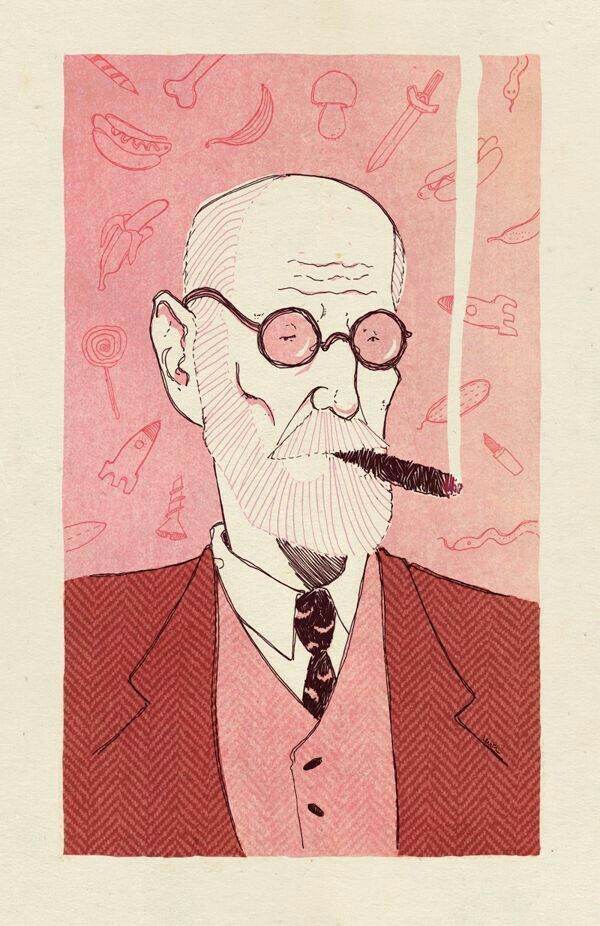
The Oedipus Complex and Anthropology
While Freud’s work initially focused on the realm of clinical psychology, his ideas have extended to various academic disciplines, including anthropology. The Oedipus complex is one of Sigmund Freud’s most well-known and controversial theories. It proposes that during the phallic stage of psychosexual development, young boys experience a sexual attraction towards their mothers and perceive their fathers as rivals. In anthropological work, anthropologists have used Freud’s theory to understand kinship patterns and cultural practices better.
To better understand Freud’s theory, the analysis of the Oedipus complex across various cultures is beneficial. Arising questions that anthropologists have considered include “Is the Oedipus complex universal?”, Spiro also provides how “it is a unique product of a western ‘patriarchal’ family structure” (Sprio, 1982). With this information, anthropologists can make inferences when doing an ethnography of cultures showing how they are structured. For instance, if it is common for boys in a certain civilization to show sexual attraction to their mothers in secret, researchers may be able to find an understanding as to why or how it has developed. In another form of research William N. Stephens, conducts a study where he evaluates the Oedipus complex and how it will create “fears and anxiety, including castration anxiety” (Spiro, 1963). Not only is this viewed as detrimental to the development of young boys but anthropologists can take this into further development of marriage status and how environmental effects can have on family dynamics. There are many factors that research on the Oedipus complex touches upon such as validation of parents to child, post-partum and menstrual taboos, and how father figures are depicted in literature.
In more current situations, other researchers have their own take on Freud’s Oedipus complex. Melanie Klein envisioned her own opinion that started before Freud’s discovery which she calls the ‘oedipal situation.” Oedipus complex is seen as a permanent possession of the mother which if not tolerated can turn into infatuated love. In this research, Richard, a young boy who has received little to no love from his mother has infatuated love and wants exhausting attention from her because of more consideration to the flourishing older brother. Because of Klein’s ethnographical work of studying the child over the course of some weeks revealed that the environment and societal situations he had been in caused frequent anxieties (Britton, 1989, pp. 11-29). We must consider the two relationships in a family where parent to parent is sexual and parent to child is not. Seeing this perspective from a child’s point of view that may be encompassed with the Oedipus complex may grieve from the rivalry that is present, which is what Richard possessed. Because of the development of anthropological work such as ethnography and Freud’s theories, his contributions have made it possible to asses family structures and contribute to society on avoidance of these dynamic types.
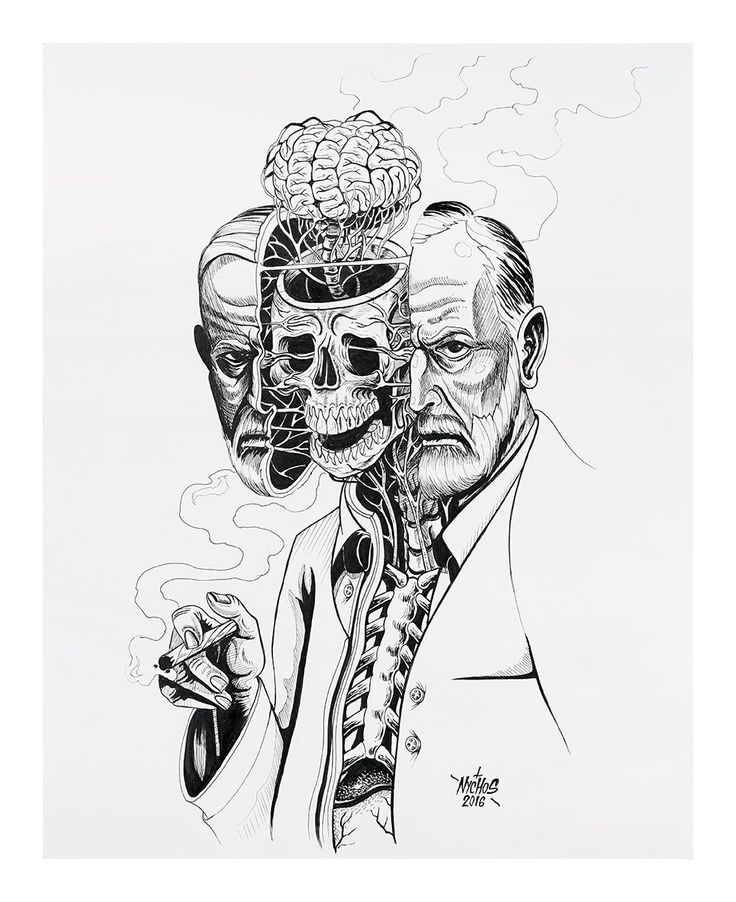
Anthropologists have drawn upon Freudian concepts to better understand kinship patterns and cultural practices in various societies. By examining the Oedipus complex in diverse cultural contexts, anthropologists have gained valuable insights into the complexities of human behavior and societal dynamics. This research has shed light on the significance of familial relationships, gender roles, and the regulation of sexual desires within different cultural systems. As anthropology continues to evolve, interdisciplinary dialogues and nuanced approaches will further contribute to our understanding of the oedipus complex and its implications for cross-cultural studies.
Freudian concepts have shaped anthropological understandings of culture, symbolism, and socialization, while also sparking debates about cultural relativism and the applicability of psychoanalysis in diverse cultural contexts. By critically engaging with Freud’s ideas, anthropologists continue to explore the connections between the individual psyche and sociocultural phenomena. In summary, Sigmund Freud’s theories, particularly the oedipus complex and Psychoanalytic Theory, have had a significant impact on the field of anthropology. Anthropologists have used Freud’s ideas to better understand kinship patterns and cultural practices in various societies, shedding light on the complexities of human behavior and societal dynamics. By examining the oedipus complex in diverse cultural contexts, anthropologists have gained valuable insights into the significance of familial relationships, gender roles, and the regulation of sexual desires within different cultural systems. Additionally, Freud’s theories have influenced the way anthropologists conduct fieldwork and analyze data, leading to more changes in how society will behave and interact with one another. Do we unconsciously utilize this today?
At a later time, I will go into the beautiful realm of his contribution to ethnography and dream interpretation.
JCV
 BeyondtheBooks
Leave a comment